
Selling your holiday home is not quite like selling your house. If you own a static caravan or holiday lodge, you cannot put it on the market and wait for a buyer. Your park, pitch agreement and the type of sale you choose can all affect the process and the price you get.
So, how to sell a holiday home without leaving money on the table?
The first step is to understand what makes a holiday home sale different from a residential sale.
How Selling a Holiday Home Is Different From Selling a Residential Property
A house sale follows a familiar process. Ownership is recorded with HM Land Registry. The sale also involves conveyancing, property searches, and a solicitor or licensed conveyancer.
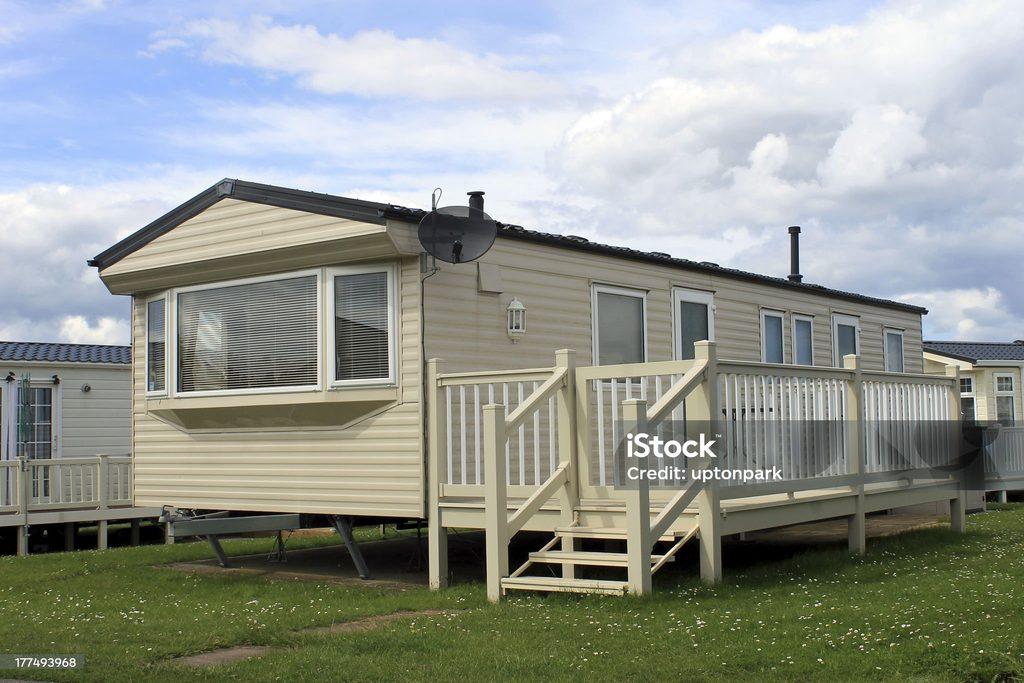
A static caravan or lodge is different. You normally own the holiday home but not the land beneath it. There is no house style title transferring the land and building.
Factors That Can Affect
Your park agreement and site rules can also affect the sale. Depending on the site and agreement, there may be
- Age restrictions
- Other buyer requirements
- Commission on a sale
For protected park homes in England, the site owner can receive up to 10% of the sale price. Leisure holiday caravans can have different rules. Check the documents for your own home before selling.
This is why selling static caravan law matters. If this were your house, you would follow the standard residential sale process. With a holiday home, the position depends more on the type of home, the park and the agreement attached to it.
Be careful if you are told that the park has to buy your caravan or lodge, or that you cannot sell it privately. For protected park homes in England, site rules cannot force an owner to sell to the site owner or give them first refusal. Holiday parks can have different arrangements, so check yours.
What Are The Options of Selling A Holiday Home In UK?
There are two main routes: a park buyback or a private sale.
Park Buyback
A park buyback is the most direct route.
- You receive an offer from the park
- Agree the terms
- If you accept, the park takes the caravan or lodge back
For some owners, that simplicity is useful. You do not need to create a listing or handle buyer enquiries.
The key question is whether the offer reflects what your holiday home may be worth.
For example, Barbara’s experience shows why it can be useful to compare. Her park offered £12,000. She chose to sell privately and sold for £67,000.
That result is specific to Barbara. It shows why an independent caravan valuation can be worthwhile before accepting a buyback offer.
You may also come across searches such as we buy any static caravan. A quick route may suit you, but still know the value of your caravan or lodge before deciding.
Start with a free valuation if you are searching for a way to value my caravan before choosing your route.
Selling Privately
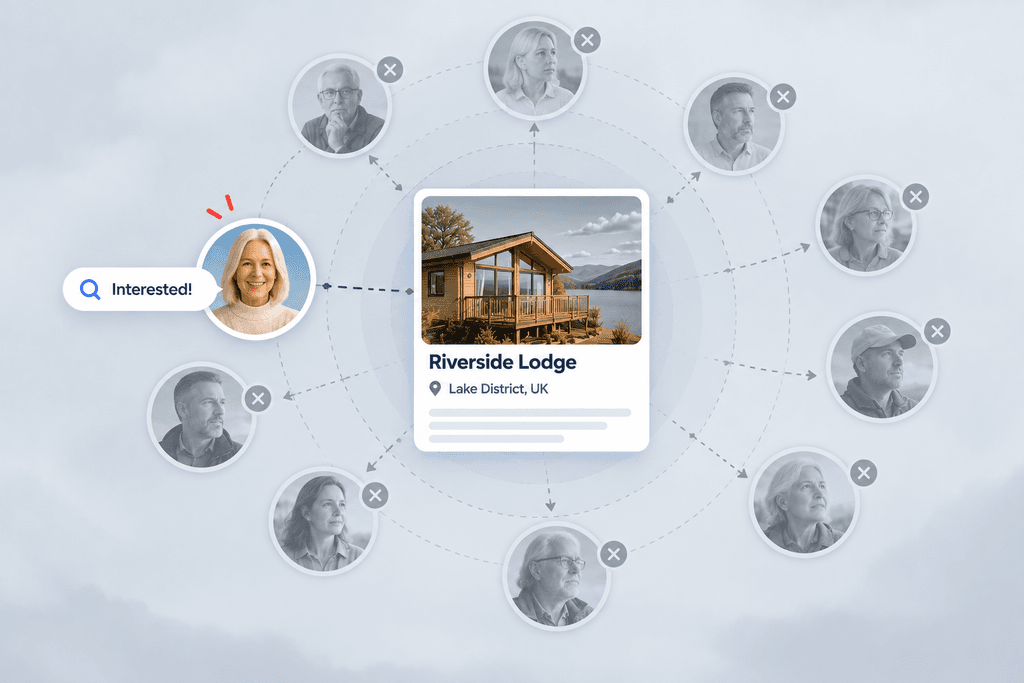
When you sell your holiday home privately, you are putting it on the wider market. A private sale gives you more control. You can set the asking price, decide how the property is presented and choose how it is marketed to buyers.
In private selling, you have to;
- Decide on the asking price
- Provide accurate details and photographs of the holiday home
- Give information about the park, pitch, fees and rules
- Review or approve the advert before it goes live
- Respond to buyer enquiries, or allow the agent to handle them
- Arrange viewings and progress the sale
This lets you market your holiday home to a wider pool of buyers, rather than relying only on the park’s own sales route.